
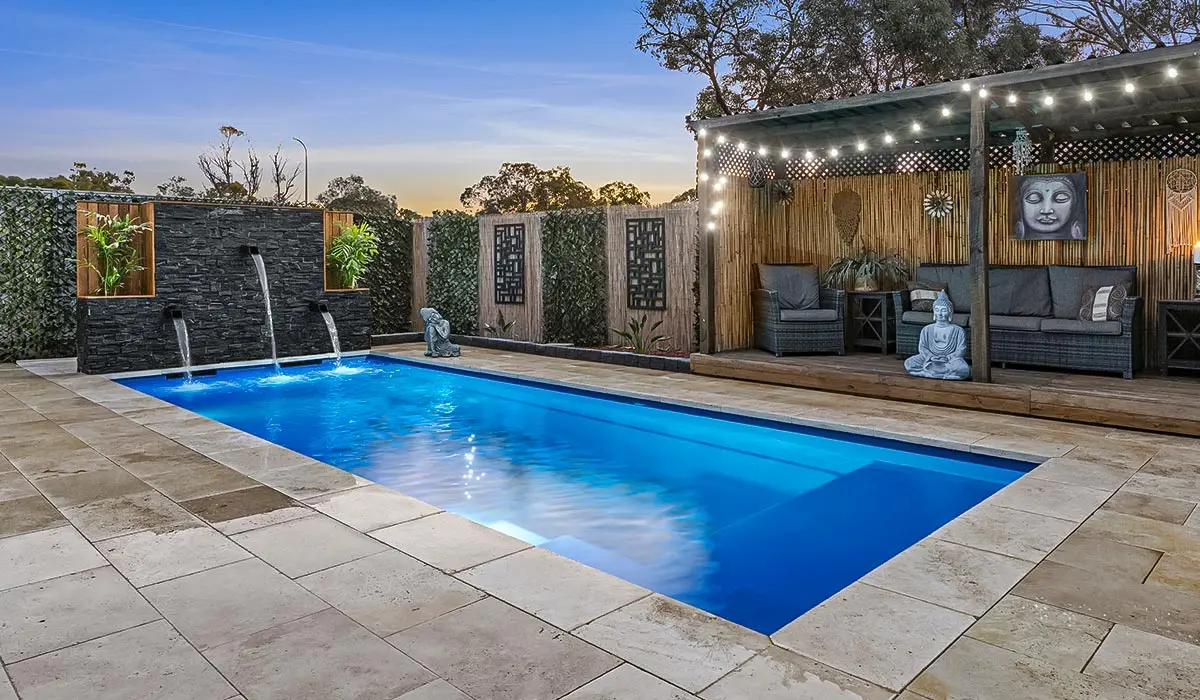
The 4 Most Popular Types of Pool Coping
Introduction
Ever wondered what gives a pool that polished, resort-like finish?
The right pool coping doesn’t just complete your pool — it transforms your entire backyard.
Picture this: the sun glinting off a smooth stone edge as water laps gently against your pool. That pristine border doesn’t just look good — it’s working hard behind the scenes to protect your pool, enhance safety, and bring your entire outdoor space together.
Many homeowners assume pool coping is purely decorative. In reality, it’s a crucial architectural element that frames your pool’s structure, prevents damage, and contributes to the overall ambiance of your outdoor retreat.
Think of pool coping as the frame around a masterpiece — it defines the edges, protects the artwork, and elevates the entire experience.
In this guide, we’ll explore the four most popular types of pool coping for fiberglass pools, highlighting their unique benefits, design appeal, and cost considerations to help you choose the best option for your backyard oasis.
Whether you’re building a new pool or upgrading an existing one, understanding your pool coping options is essential to achieving both function and style.
What Is Pool Coping and Why Does It Matter?
Function Meets Form
Pool coping is the material that caps the edge of a pool shell — the visible border between the pool structure and the surrounding deck or landscaping.
Its role is twofold:
- Functional: It prevents water from seeping behind the fiberglass shell, which can lead to structural issues over time.
- Aesthetic: It gives your pool a finished look, creating cohesion between the pool, deck, and surrounding landscape.
Beyond these two core functions, pool coping also:
- Enhances safety with slip-resistant surfaces.
- Directs water away from the pool to protect the surrounding area.
- Offers design opportunities that reflect your personal style.
If you’re considering a fiberglass pool, selecting the right coping is a key part of the process. Learn more about fiberglass pool installation at Leisure Pools Cincinnati.
1. Cantilevered Concrete Coping
Seamless Simplicity
Cantilevered concrete coping is a popular choice for those who favor clean lines and a unified look. This method involves pouring concrete over the edge of the pool shell, creating a seamless transition from pool to deck.
Typically finished with a rounded (bull-nosed) edge, it offers both comfort and safety for swimmers.
Benefits:
- Sleek and modern pool coping aesthetic.
- Budget-friendly: typically $6–$10 per linear foot.
- Blends the pool edge with surrounding concrete decking for a continuous surface.
Considerations:
- Requires skilled installation to prevent cracking or uneven edges.
- May need periodic sealing to maintain appearance and prevent staining.
Ideal For:
- Homeowners seeking affordable, modern pool coping ideas.
- Minimalist or contemporary backyard designs that emphasize continuity.
2. Paver Coping
Versatile and Replaceable
Paver coping uses pre-cast concrete or stone pavers, often with bull-nosed edges, that are either bonded directly to the pool shell or set in mortar. This type of coping is known for its uniformity and flexibility.
Benefits:
- Clean, symmetrical finish.
- Easy to repair — damaged pavers can be replaced individually.
- Wide selection of colors, materials, and textures to complement any outdoor design.
- Considered an aesthetic upgrade from basic concrete.
Cost:
- Approximately $40–$50 per linear foot.
Considerations:
- Requires precision during installation to maintain alignment.
- May need occasional re-leveling over time, especially in areas with frequent freeze-thaw cycles.
Ideal For:
- Homeowners who want a classic, tailored look.
- Those looking for customizable and easily maintainable pool coping ideas.
3. Travertine Coping
Timeless Elegance and Comfort
Travertine is a natural stone known for its luxurious appearance and soft texture. With a marble-like finish and subtle color variations, travertine coping elevates any pool design.
Benefits:
- Stays cool to the touch — ideal for hot climates.
- Naturally slip-resistant, improving poolside safety.
- Elegant and timeless, adding value and sophistication to your property.
Cost:
- Premium material: $45–$55 per linear foot.
Considerations:
- Requires professional installation and sealing to maintain appearance and durability.
- May weather over time, gaining character or requiring upkeep depending on your design preferences.
Ideal For:
- Upscale backyard transformations.
- Homeowners prioritizing luxury, comfort, and long-term value.
4. Bluestone Coping
Natural Sophistication
Bluestone is a durable, natural material available in a variety of hues, from rich blue-grays to earthy browns. Its organic beauty and strength make it a favorite for those seeking a more rustic or natural aesthetic.
Benefits:
- Textured, slip-resistant surface — ideal for high-traffic pool areas.
- Unique color variations create a custom, high-end look.
- Long-lasting with proper care and sealing.
Cost:
- Comparable to travertine: $45–$55 per linear foot.
Considerations:
- May require sealing to preserve color and prevent moisture absorption.
- Installation can be more labor-intensive, especially with irregularly shaped stones.
Ideal For:
- Homeowners embracing a natural or rustic design style.
- Properties with extensive stone landscaping or earthy architectural elements.
Choosing the Right Pool Coping for Your Backyard
Key Factors to Consider
Selecting the right pool coping is about more than just appearance. Here are some practical considerations to help guide your decision:
Budget:
- Cantilevered concrete offers the most affordable solution.
- Travertine and bluestone are premium investments that deliver long-term style and value.
Aesthetic Goals:
- Prefer a contemporary look? Go with cantilevered concrete or sleek pavers.
- Want traditional elegance? Travertine delivers timeless appeal.
- Looking for a rustic, nature-inspired finish? Bluestone is your best bet.
Climate and Usage:
- Hot climates benefit from materials like travertine that stay cool underfoot.
- High-use areas demand slip-resistant and durable surfaces.
Maintenance:
- Natural stones may require sealing to maintain their look and integrity.
- Concrete coping may need resurfacing or sealing over time.
Installation Complexity:
- Cantilevered concrete and pavers are generally more straightforward.
- Natural stones like travertine and bluestone may require more time and expertise.
For personalized advice, speak with a pool design expert at Leisure Pools Cincinnati to explore your best coping options.
Inspiring Pool Coping Ideas for Every Style
Modern Pool Coping Designs
- Use cantilevered concrete for a smooth, uninterrupted edge.
- Choose sleek, large-format pavers in neutral tones for minimalist appeal.
- Stick to a monochromatic color palette to emphasize clean lines.
Natural and Rustic Looks
- Opt for irregular bluestone patterns that mimic nature’s randomness.
- Use tumbled travertine for a weathered, lived-in look.
- Incorporate natural elements like boulders, plants, and water features for cohesion.
Creative Touches
- Mix materials for visual interest, such as pairing travertine with wood decking or composite materials.
- Integrate LED lighting into coping edges for ambiance and safety.
- Explore stamped textures or custom-colored finishes to make your pool truly one-of-a-kind.
Conclusion: Frame Your Pool with Purpose
Pool coping is more than just a decorative border — it’s a defining feature that enhances the safety, durability, and beauty of your pool. Choosing the right material can elevate your entire backyard, turning it into a personal resort that reflects your taste and lifestyle.
Whether you prefer the sleek look of cantilevered concrete, the versatility of pavers, the elegance of travertine, or the natural charm of bluestone, there’s a coping solution that’s perfect for your vision and budget.
Ready to upgrade your pool? Discover expert insights and inspiration at Leisure Pools Cincinnati.

- Leisure Pools’ January 2026 Pool of the Month
- Fiberglass pools in Ohio: your 2026 guide to backyard pool living
- Leisure Pools 2026 Design Trends: Record Growth in Geometric Shapes and Modern Colors
- Leisure Pools’ December 2025 Pool of the Month
- Fiberglass Pools in Texas: The Complete 2026 Homeowner’s Guide


